Deck remodeling project featuring a wide hardwood deck with outdoor lounge furniture, teal accent pillows, large sliding glass doors, gray wood siding, and waterfront wooded views by Craftworks Construction.

Introduction

Starting a renovation can feel overwhelming before any demolition begins. With budgeting, design decisions, and team selection, it’s easy to feel lost. This guide explains each stage of a home remodeling CT project, from planning to the final assessment.

Understanding Home Remodeling in Connecticut

Remodeling varies across Connecticut towns. Coastal homes face moisture and flood risks, older inland houses offer historic character, and newer builds may need better layouts for modern living. Knowing what’s typical in your area is the first step toward realistic expectations for your project.

What to Expect from Home Remodeling

Most remodeling projects follow a similar process: initial consultation and design, permitting, demolition, construction, and finishing touches. To help you prepare, note that the timelines range from a few weeks for a single room to several months for whole-home projects. Understanding this process and timeline upfront helps you plan around the disruption.

The Value of Home Improvements

The ultimate value of a renovation is the daily enjoyment it provides. Key takeaway: focus on improvements that boost your comfort, not just resale value.

Key Considerations Before Remodeling

Factors Influencing Your Remodeling Choices

Budget, timeline, and the age or condition of the home all shape what’s realistic for a given project. So does scope: a focused kitchen remodeling or bathroom remodeling project will move differently than a wider renovation that touches multiple rooms at once. Being honest about priorities early on prevents much mid-project scope creep. Think next about how your current layout contributes to these choices.

Analyzing Your Home’s Layout

Before making design choices, closely examine your current layout. Do walls block natural light or hinder movement? Is the kitchen cut off from living areas? This analysis is vital for extensive interior remodels, since changes in one room often affect others.

Budgeting for Your Remodeling Project

Cost Estimation Strategies

Costs vary with materials and complexity. Key takeaway: Collect detailed estimates to accurately compare contractors and know what’s included.

Budgeting Tips for Homeowners

Set aside 10–15% of your total budget for surprises, especially in older homes. Clearly list ‘must-haves’ and ‘nice-to-haves’ before getting quotes to know what can flex if costs climb.

Finding a Home Remodel Contractor

Tips for Searching “Home Remodel Near Me”

A quick search will bring up many options, but local experience is key. Searches like “home remodeling CT” or “home remodeling Fairfield” can help you find teams familiar with regional codes and local permitting. A contractor experienced with home remodeling in Fairfield, for example, understands local requirements and the area’s unique housing stock.

Evaluating Experience and Reviews

Look past star ratings to substance—recent project photos, detailed reviews about communication and reliability, and references from past clients. Confirm years in business and verify their license directly. 

Setting Goals for Your Remodel

Before meeting contractors, write down what success means: must-have features, target timeline, and budget range. Clear goals help get accurate quotes and prevent misunderstandings.

Collaborating with Experts

Success Stories of Craftworks Construction

Craftworks Construction has worked with homeowners across Fairfield County on everything from kitchen remodeling and bathroom remodeling projects to full interior, and exterior remodels and home additions. Click here to view more projects.
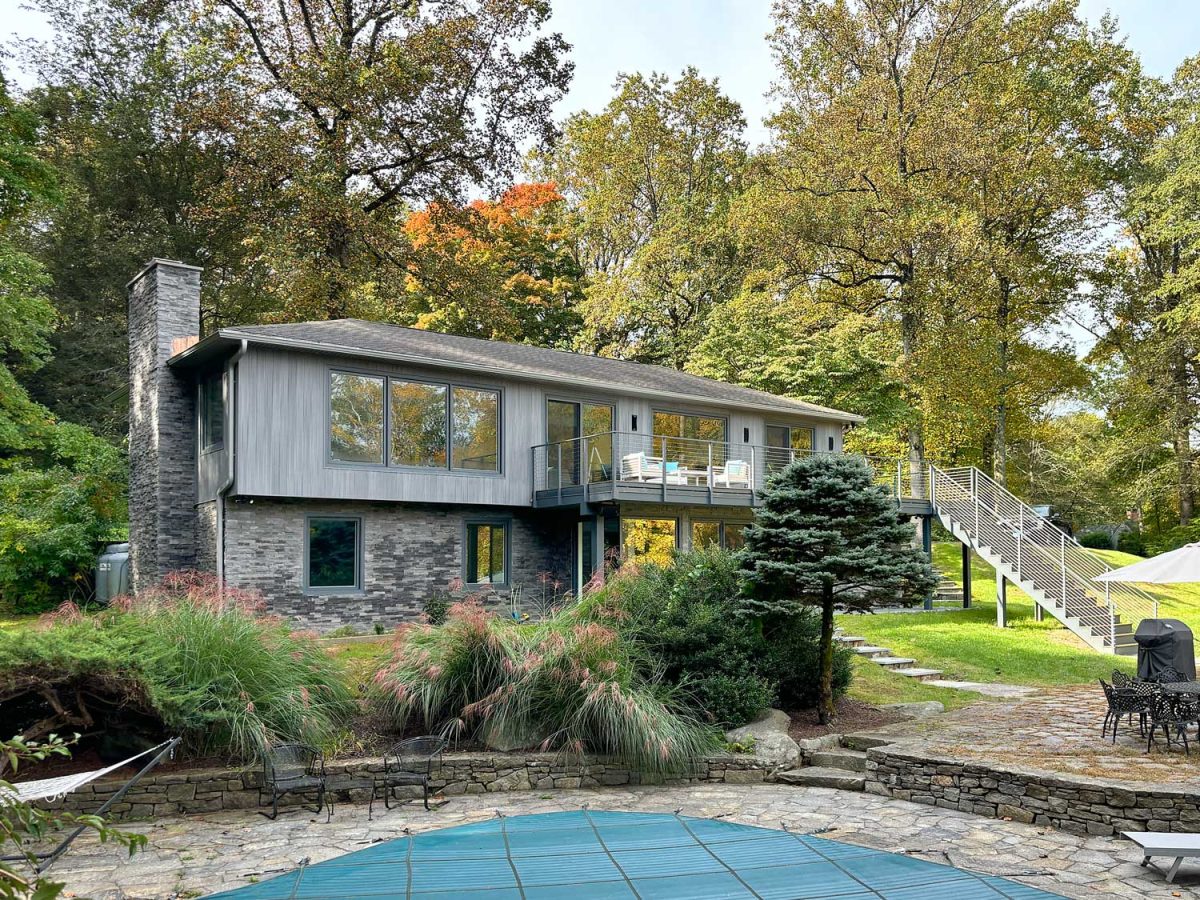
  • Whole home remodeling project featuring a modern split-level home with gray wood siding, stone facade, large picture windows, cable railing deck, covered pool, and stone patio surrounded by fall foliage.
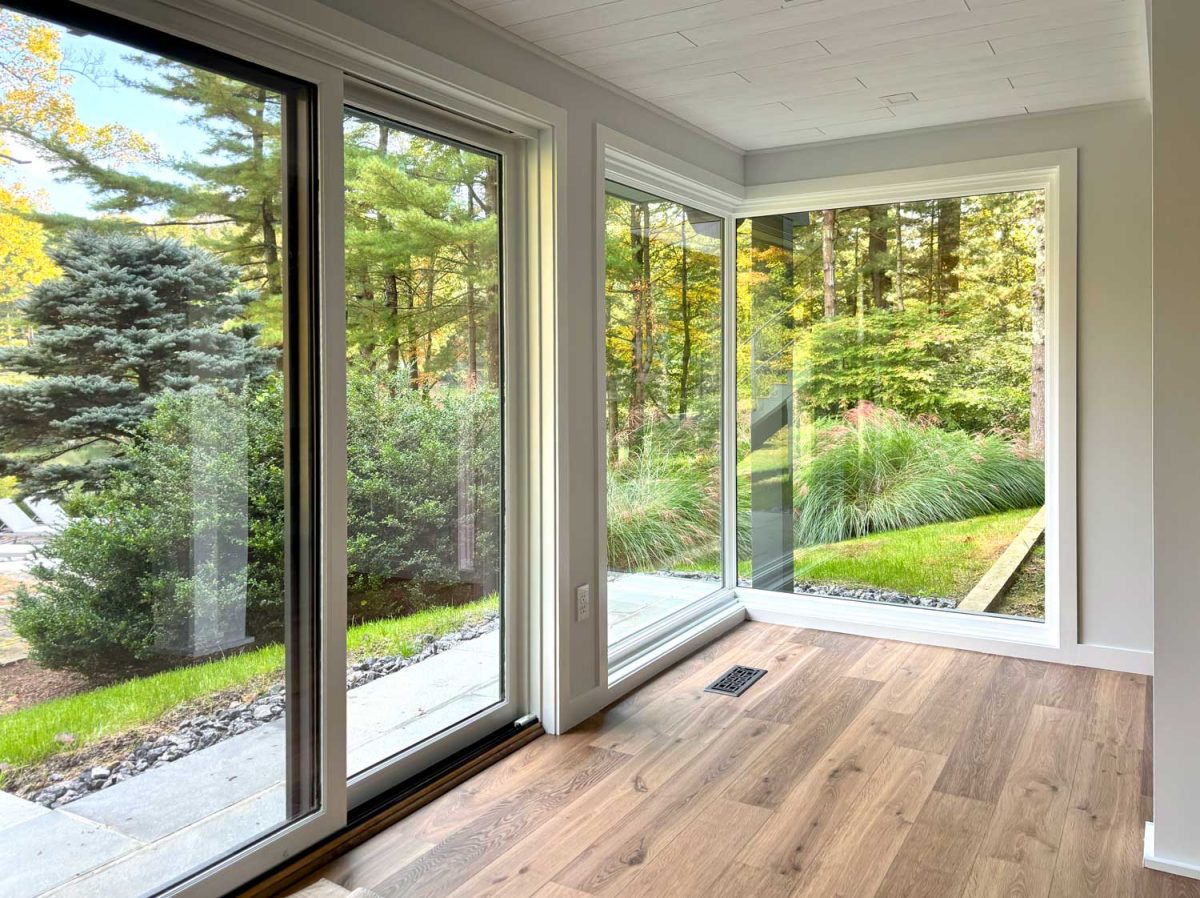
  • Home remodeling project featuring a modern gray wood exterior with elevated cable railing deck, stone foundation, flagstone walkway, landscaped grounds, and waterfront views by Craftworks Construction.
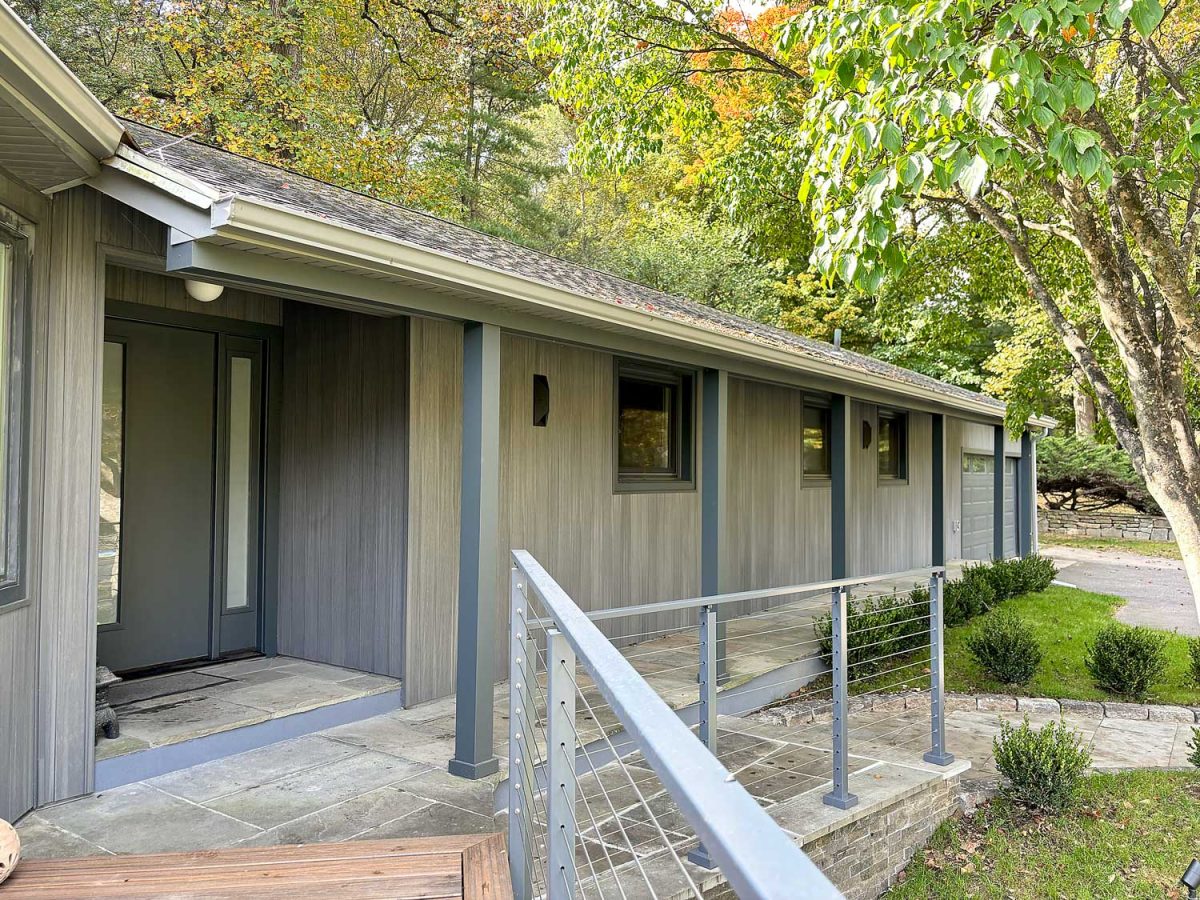
  • Home remodeling project featuring a modern ranch-style exterior with gray vertical wood siding, cable railing, stone patio, and updated windows surrounded by mature fall foliage.
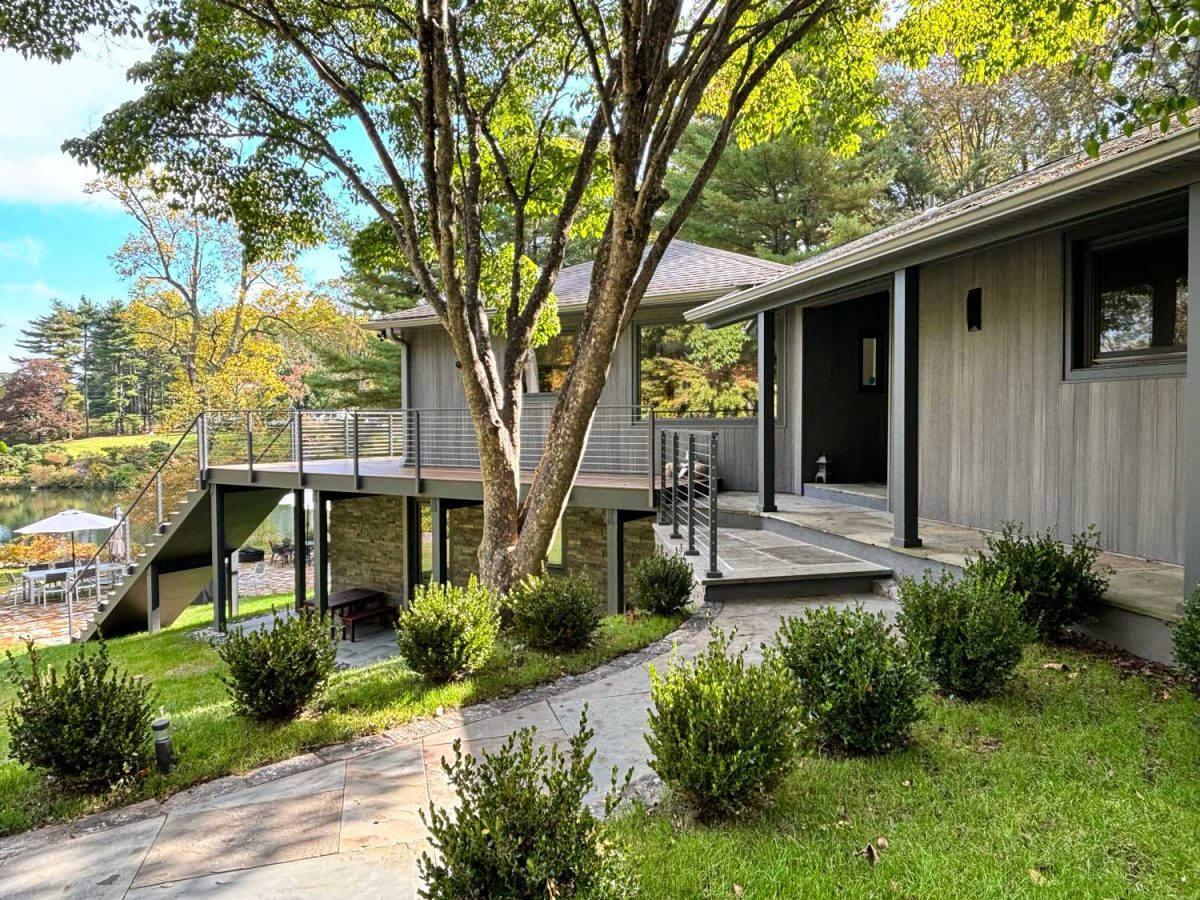
  • Window remodeling project featuring large floor-to-ceiling sliding glass windows with white trim, hardwood floors, and panoramic views of a landscaped wooded backyard by Craftworks Construction.
  • Deck remodeling project featuring a wide hardwood deck with outdoor lounge furniture, teal accent pillows, large sliding glass doors, gray wood siding, and waterfront wooded views by Craftworks Construction.

Working Effectively with a Remodel Contractor

Importance of a Detailed Plan

A clear, written scope of work — covering materials, finishes, timeline, and how changes will be handled — protects both the homeowner and the contractor. It turns vague expectations into something everyone can refer back to if questions come up mid-project. Establishing timelines is the next move toward a successful partnership.

Timeline Development

A realistic timeline breaks the project into phases with clear milestones, rather than a single end date. Routine check-ins along the way make it easier to catch small problems before they become bigger delays, and keep everyone aligned on what’s happening next. After the work is finished, thorough evaluation ensures your investment delivers as expected.

Post-Project Evaluation

Inspecting the Finished Work

Before signing off, walk the finished space with the contractor and compare it line by line against the initial scope of work. A final punch list — small items like touch-up paint, hardware adjustments, or a sticking door — is normal even on a well-run project. Resolving those items before final payment is far easier than chasing them down afterward. When complete, protect your new investment with routine maintenance.

Maintenance Tips for Your New Space

New materials often come with specific care requirements: natural stone countertops may need periodic sealing, hardwood floors benefit from the right cleaning products, and new fixtures usually come with manufacturer guidelines worth holding onto. Registering products for warranty coverage at this stage, while everything is fresh, saves a step later if service is needed. Simple maintenance and smart record-keeping will help ensure your remodel endures the test of time.

Maintaining Longevity of Your Improvements

A quick seasonal check-in — caulking, grout, fixtures, exterior trim — catches small issues while they’re still small. Keeping a copy of the final plans, material specs, and contractor contact information on hand also makes future touch-ups or follow-on projects much easier to coordinate. With these steps, you can maximize the value and longevity of your renovation investment.

Conclusion

Summarizing the Importance of Thoughtful Remodeling

A successful renovation comes down to the preparation done before construction ever starts: understanding what a project really involves, setting an honest budget, and choosing a home remodeling contractor who communicates transparently and plans carefully. By sticking to these guiding principles, you’ll feel prepared for the next steps in your renovation journey.

Encouragement to Begin Your Project!

Whether you’re just starting to think about a single room or planning a full home renovation, the best time to start asking questions is before you’ve committed to a scope or a budget. A little research now makes every step after it easier. Ready to take the first step? Begin your Connecticut home remodeling journey today.

Frequently Asked Questions

[fusion_faq filters=”no” number_posts=”-1″ offset=”0″ orderby=”date” order=”DESC” title_tag=”h3″ icon_size=”20″ hide_on_mobile=”small-visibility,medium-visibility,large-visibility” cats_slug=”faq-planning-guide” title_font_size=”23px” content_font_size=”18px” toggle_hover_accent_color=”var(–awb-color5)” /]

GET A FREE CONSULTATION

"*" indicates required fields