
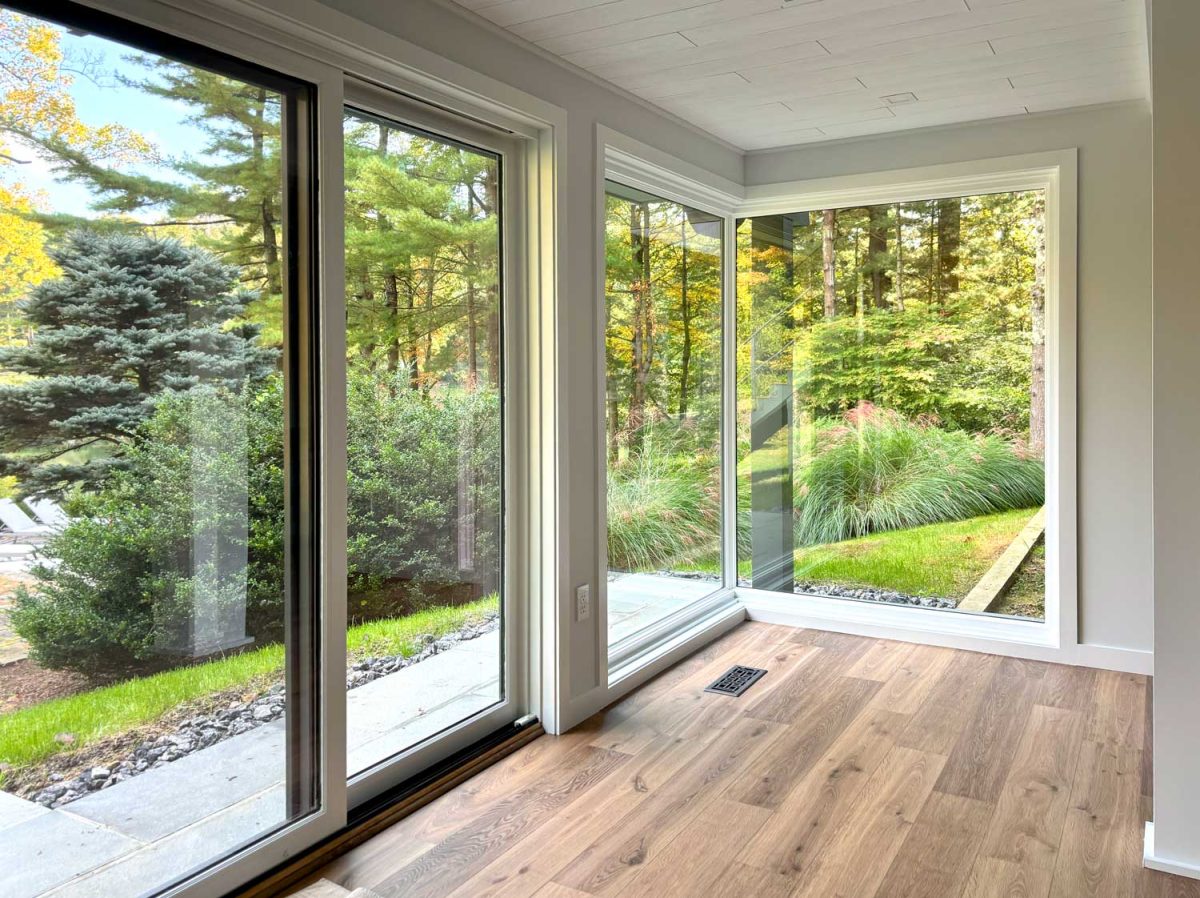
Choosing among home additions contractors is one of the most important decisions you will make on an addition. It matters more than the floor plan or the finishes. A well-run project adds space that feels like part of the original house. However, a poorly run one can drag on and drift from the plan. It can even leave you with leaks, a mismatched roofline, or an inspector who will not sign off.
This guide covers what to look for before you hire. You will find tips on registration, insurance, permits, contracts, and communication. It is written for homeowners in Fairfield County, Connecticut, but the checklist works anywhere. Use it to compare home additions contractors with confidence.
Why Your Choice of Home Additions Contractors Matters
An addition touches more of your home than most projects. The new space has to tie into the existing foundation, framing, and roof. It also connects to the electrical, plumbing, and heating and cooling systems. On top of that, it has to pass local inspection. Mistakes at these connection points often show up later as leaks, drafts, uneven floors, or cracks.
That is why real addition experience counts. The contractor you hire coordinates the trades, the permits, and the schedule. As a result, the quality of that coordination becomes the quality of the finished project. Experienced home additions contractors know where problems tend to hide.
Check Registration and Insurance First
Connecticut does not issue a general contractor license the way some states do. Instead, contractors who do home improvement work on existing homes must register with the state. This includes additions. The Department of Consumer Protection (DCP) issues the Home Improvement Contractor (HIC) registration. Builders of new homes hold a separate New Home Construction Contractor registration.
When you vet home additions contractors, start with these three steps:
- First, ask for the HIC registration number and look it up on the state’s eLicense verification site. Confirm that it is active and matches the business name on the proposal.
- Next, request a certificate of liability insurance and proof of workers’ compensation coverage. Make sure both are current.
- Finally, find out who handles the electrical, plumbing, and heating and cooling work. These trades require their own licenses in Connecticut, so you should know exactly who is doing them.
Our guide on how to choose a Connecticut contractor has more tips on vetting a remodeler.
Look for Real Addition Experience, Not Just Remodeling
Remodeling and building an addition are different skills. For example, a great kitchen remodeler may never have poured a foundation. They may not have tied a new roof into an existing one, either. Ask each contractor how many additions they have completed and what kind. Types include a bump-out, a second-story addition, a primary suite, a garage conversion, or a full rear addition.
Look for projects similar in size and complexity to yours. The best home additions contractors can explain the hard parts of your specific house in plain language. Ask about these details:
- The new foundation and how it meets the old one.
- The roofline and how it will tie into the existing roof.
- Heating and cooling for the new space.
- Matching siding, trim, and windows so the addition looks original.
- Daily life for your family during construction.
Make Sure They Know Your Town’s Permit Process
Every addition needs a building permit. In most Fairfield County towns, it also goes through zoning review. Setbacks, lot coverage limits, and height rules decide how large your addition can be. They also decide where it can go. Some properties face extra steps. For instance, shoreline lots in towns like Westport, Fairfield, Norwalk, and Darien may have flood zone requirements. Land near wetlands may need approval from the town’s inland wetlands commission. Certain neighborhoods also fall under historic district review.
Home additions contractors who work in your town regularly already know how the building department operates. As a result, they can often save you weeks. Ask who will pull the permits and schedule the inspections. Also ask how they will settle zoning questions before the design is final.
Ask How Design and Planning Will Work
Before construction starts, the design has to be right. Ask how the contractor handles it. Do they work with your architect, bring in their own designer, or offer design-build services? Each approach can work. However, you should know exactly who is responsible for what.
Good contractors also talk through feasibility early. This includes structural needs, utility locations, and how the addition will look from the street. A walk through your home and property is a good sign, especially if they ask how you actually live in it. A rushed proposal that shows little understanding of your house is not.
Get the Scope and Schedule in Writing
Connecticut requires home improvement contracts to be in writing. The contractor’s registration number should also appear on the contract. In addition, state rules give you a three-day right to cancel after signing.
A good contract goes well beyond that minimum. Strong home additions contractors put these items in writing:
- A detailed description of the work, including materials, fixtures, and finish selections.
- Start and estimated completion dates.
- Payment stages tied to completed work.
- Written approval for any change orders.
- Clear responsibility for permits and inspections.
- Warranty terms for the finished work.
If two proposals look very different, the scope is usually different too. Ask each contractor to walk you through what is and is not included. Our guide to planning a home renovation timeline in Connecticut can also help you judge the proposed schedule.
Pay Attention to Communication and Project Management
How a contractor communicates before you hire them is a preview of the project. Notice whether they return calls and arrive on time for the estimate. Also notice whether they answer your questions directly.
Next, ask how the project will run. Who is your day-to-day contact? Is there a project manager or lead on site? How often will you get updates, and how will delays be handled? Additions also disrupt daily life. For that reason, ask about working hours, daily cleanup, and dust protection for the rest of your house.
Talk to Past Clients and See Finished Work
Ask home additions contractors for references from recent addition clients, ideally from the past year or two. Then call those clients. Useful questions include these: Did the project finish on schedule? Was the crew respectful of your home? How were problems handled? Would you hire them again?
If you can, visit a finished addition in person. Look at how well it blends with the original house. Check the rooflines, siding, trim, windows, and the transition inside. Online reviews and project galleries help too. However, look for patterns across several reviews rather than reacting to one comment. A contractor with years in business has a track record you can check.
Red Flags to Watch For in Home Additions Contractors
Several warning signs should make you pause or walk away:
- No HIC registration number, or one that does not check out on the state lookup.
- Pressure to sign right away, or a special deal that expires today.
- Reluctance to provide insurance certificates or references.
- A vague proposal with little detail on materials or scope.
- Large upfront payment requests, or requests that do not match progress on site.
- Suggestions to skip permits to save time.
- Door-to-door solicitation after a storm, or no verifiable local business address.
Questions to Ask Home Additions Contractors Before You Hire
Take this list to every estimate meeting. That way, you can compare answers side by side:
- What is your Connecticut HIC registration number, and can you provide current insurance certificates?
- How many additions similar to mine have you completed in the past few years?
- Who handles design, engineering, permits, and inspections?
- Who will be my day-to-day contact, and how often will I get updates?
- Which parts of the work will your own crew do, and which will be done by subcontractors?
- How do you handle change orders and unexpected conditions?
- What is the expected timeline, and what could affect it?
- What warranty do you provide on the finished work?
- Can I speak with two or three recent addition clients?
Final Thoughts
The best home additions contractors earn your trust before the first wall comes down. They do it with verified credentials, relevant experience, and clear communication. So check registration and insurance first. Then ask for similar projects and real references. Finally, get a detailed written scope before you sign anything.
Craftworks Construction is a general contractor serving Fairfield County, Connecticut, with 12 years in business. If you are planning an addition, we would be glad to talk through your project. Learn more about our home additions services or get in touch to start the conversation.
